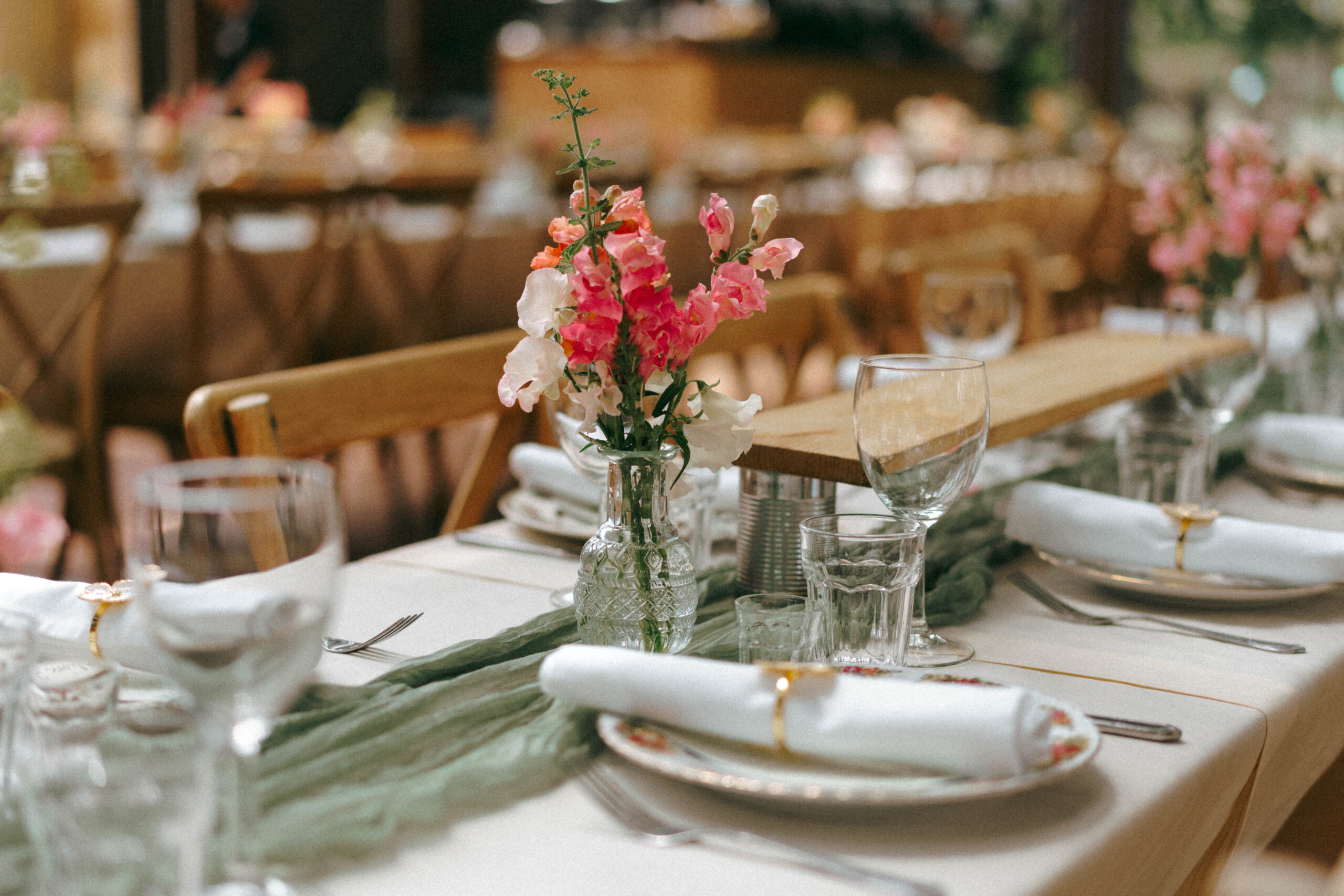
There’s a point at most weddings, usually somewhere between the main course and somebody deciding another bottle of wine is a very good idea, where the day changes.
The formal part is more or less done. People stop worrying about where they’re supposed to be. Jackets come off. Chairs get moved. Someone starts laughing much louder than they were an hour ago.
And, photographically, that’s often when things get really interesting.
The ceremony understandably gets a lot of attention when people are planning a wedding. It’s the vows, the walk down the aisle, the bit everyone has pictured beforehand.
But the reception is where the wedding starts to loosen its tie.
It’s where everyone you care about is finally in the same room with nowhere else to be.
And we’re definitely not clocking off just as that starts happening.
Speeches: when people accidentally tell the truth
Speeches are one of my favourite parts of a wedding to photograph because they’re completely unpredictable.
You can plan who’s speaking and when. You cannot really plan what happens to the room once they start.
Someone who promised they absolutely wouldn’t cry will cry almost immediately. A best man will deliver a joke that gets a slightly bigger reaction than the groom was hoping for. Somebody’s dad will start with a sheet of carefully prepared notes and abandon them completely after about thirty seconds.
But I’m not only photographing whoever has the microphone.
Most of the good photographs are happening in the opposite direction.
A hand squeezed under the table. Someone trying not to laugh. Parents watching their son or daughter from across the room. Friends recognising a story before the punchline has even arrived.
Sometimes there’s a child asleep underneath a table while all of this is going on.
Those pictures matter because they show the relationships around you, not just the person giving the speech.
The first dance is rarely really about the dancing
I don’t think many couples walk onto a dance floor expecting to suddenly become professional dancers.
Thankfully.
Most first dances involve a bit of shuffling, some nervous laughing and at least one moment where somebody forgets which direction they were meant to turn.
That’s usually much better.
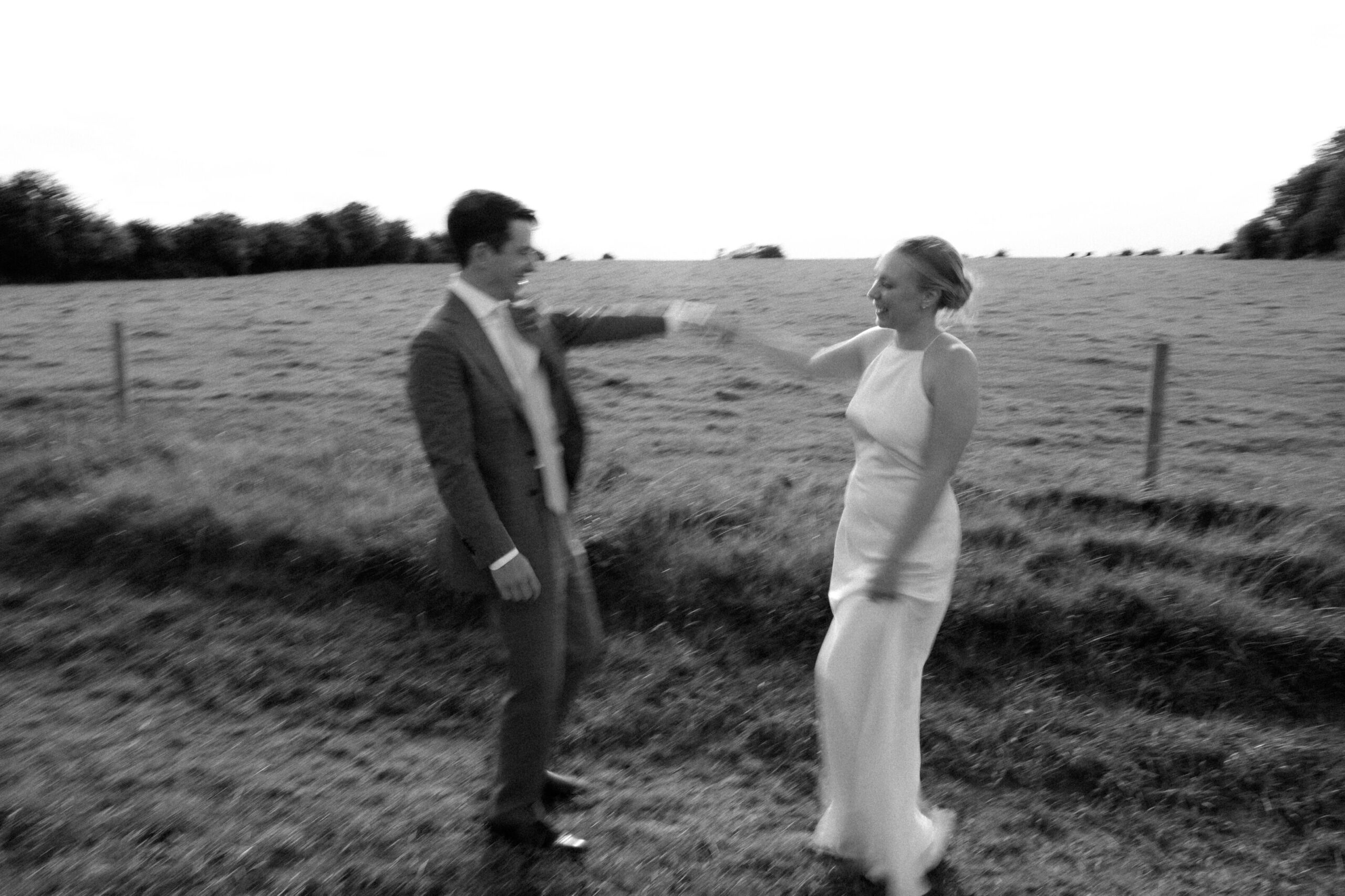
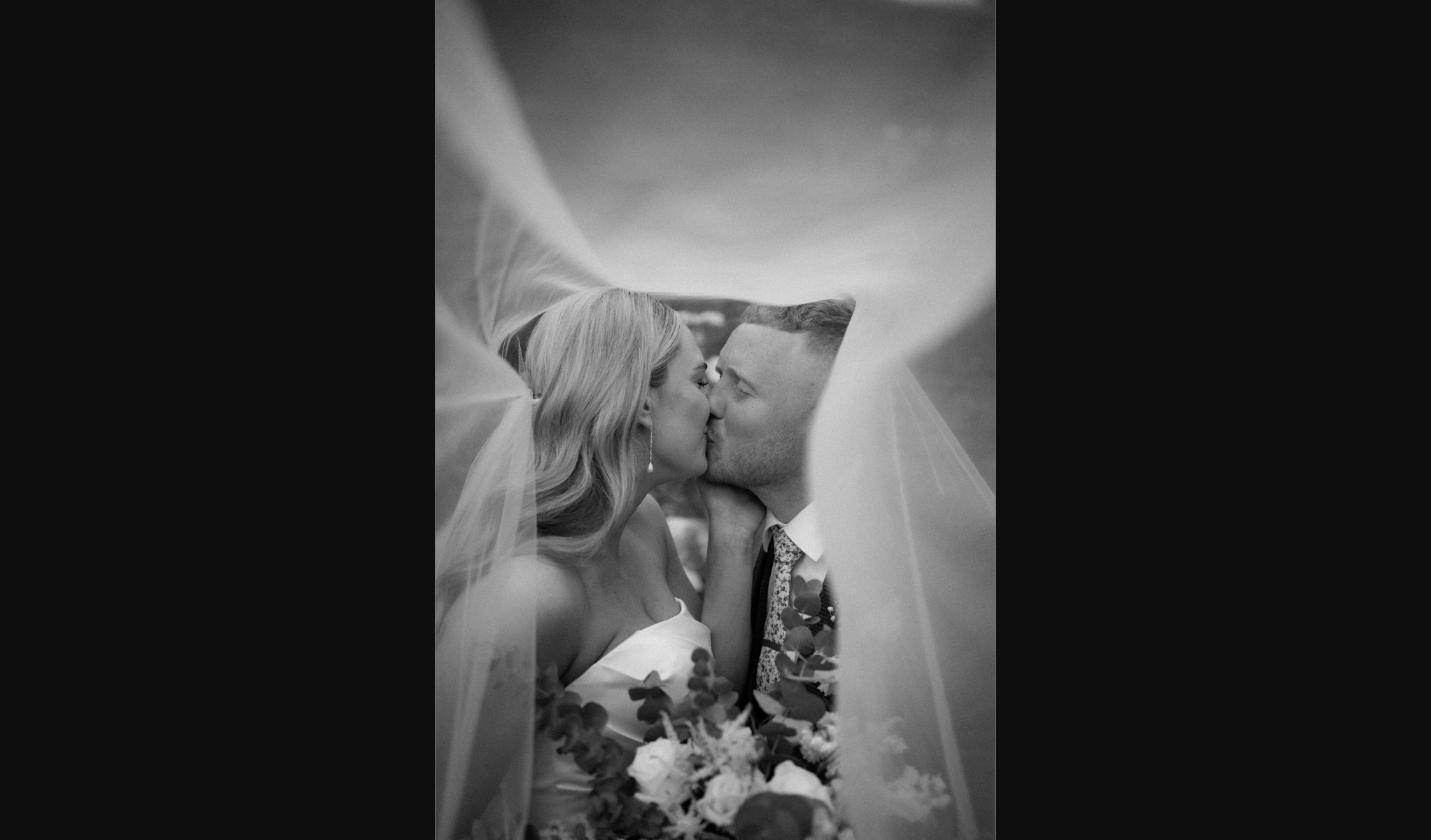
I’m less interested in making it look like a music video and more interested in what’s actually happening between the two of you.
Then, a minute or two later, everyone else piles onto the dance floor and things become considerably less dignified.
This is usually where the photographs start getting a little messier in the best possible way.
Friends dragging each other onto the floor. Parents dancing together. Somebody’s uncle attempting something last seen in a nightclub in 2003.
I’ll be there for that too.
The photographs nobody knew they wanted
Some of my favourite reception photographs are things nobody ever asks me to photograph.
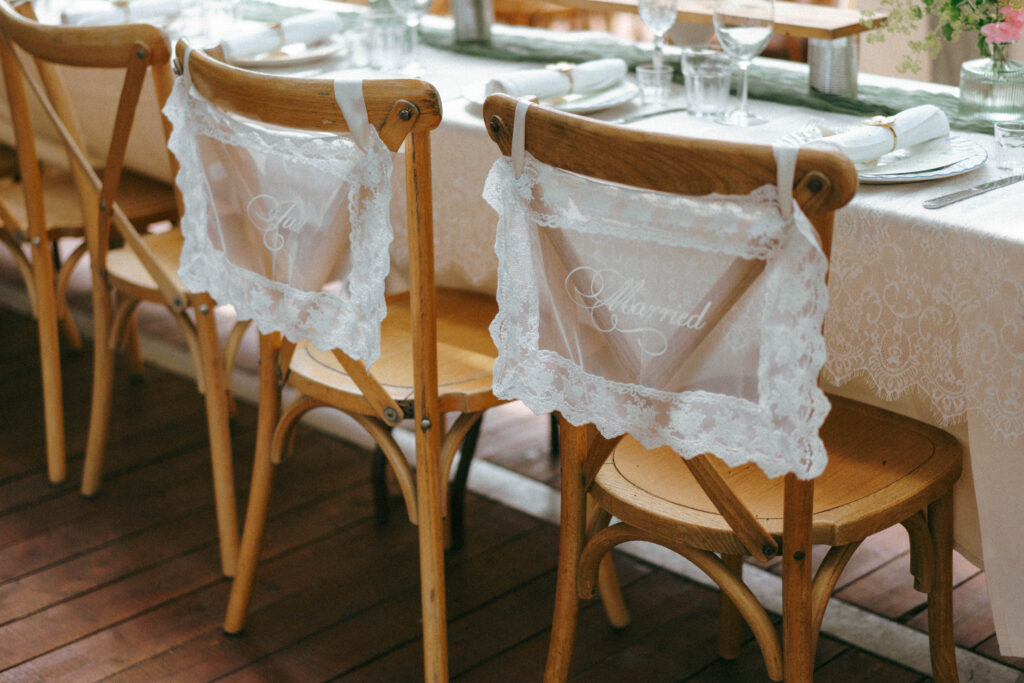
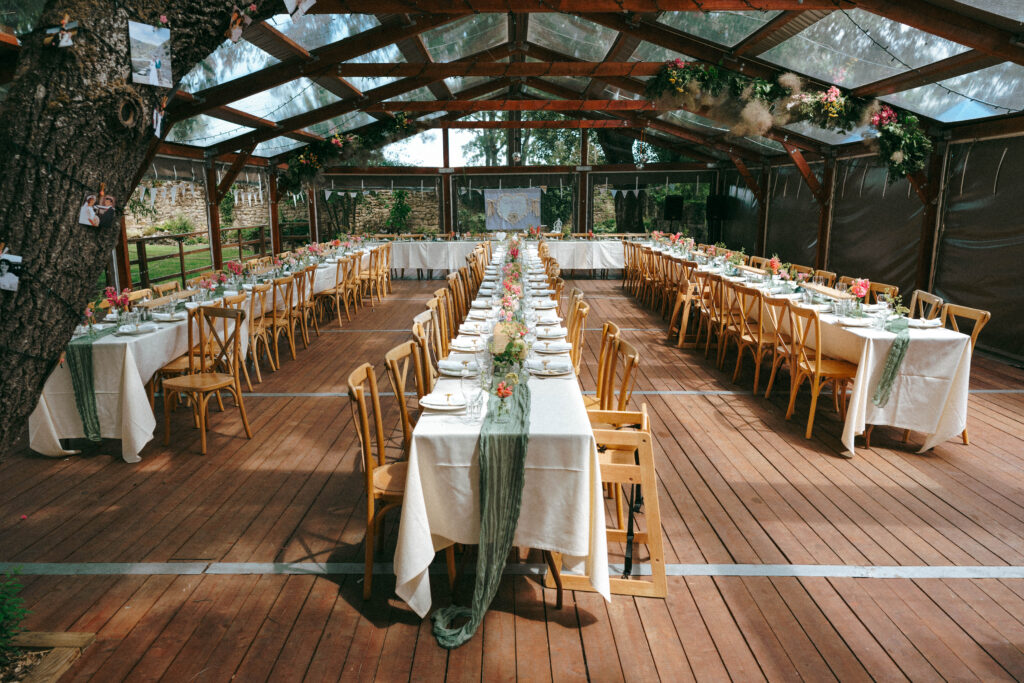
The room before dinner. Half-finished glasses of wine. Candles burning down. Speech notes folded beside a plate. A pair of shoes abandoned underneath a chair. A jacket hanging over the back of another. The remains of the wedding cake at 10pm looking considerably less elegant than it did at 2pm.
They’re small things, but they’re part of the memory of the day.
A wedding shouldn’t only look like a perfectly decorated room that nobody has touched yet.
I want photographs of it once people have actually lived in it.
So what am I actually doing during the reception?
Mostly watching.
I’ll move around the room, look for reactions, follow conversations and try to anticipate where something might happen rather than arriving after it has.
There are times when a little direction helps, but I’m not interested in constantly rearranging a reception to make better photographs.
The photographs should come from the wedding, not the other way around.
And the longer the evening goes on, the less people notice the camera anyway.
By the afternoon, people are still relatively composed.
By 9pm the ties are off, the hair has started coming loose and everyone has largely forgotten they were ever worried about being photographed.
That’s normally when people look most like themselves.
Film after dark
Digital does most of the heavy lifting during a reception.
Things happen quickly and I want the freedom to react to them.
But I’ll usually have some 35mm film with me too.
There’s something about candlelight, old buildings, dance floors and slightly imperfect evening light that suits film beautifully.
It isn’t about making the whole wedding look nostalgic. It’s just another way of recording a few moments that feel particularly suited to it.
A quiet conversation at the edge of the room. A first dance. A flash photograph on the dance floor. The last few people standing at the end of the night.
Some photographs need to be sharp, quick and immediate.
Some are better with a little grain.
And somewhere between the two is usually where a wedding actually felt like itself.

Comments +